De Pijp on a Sunday, Three Scaffolds Later
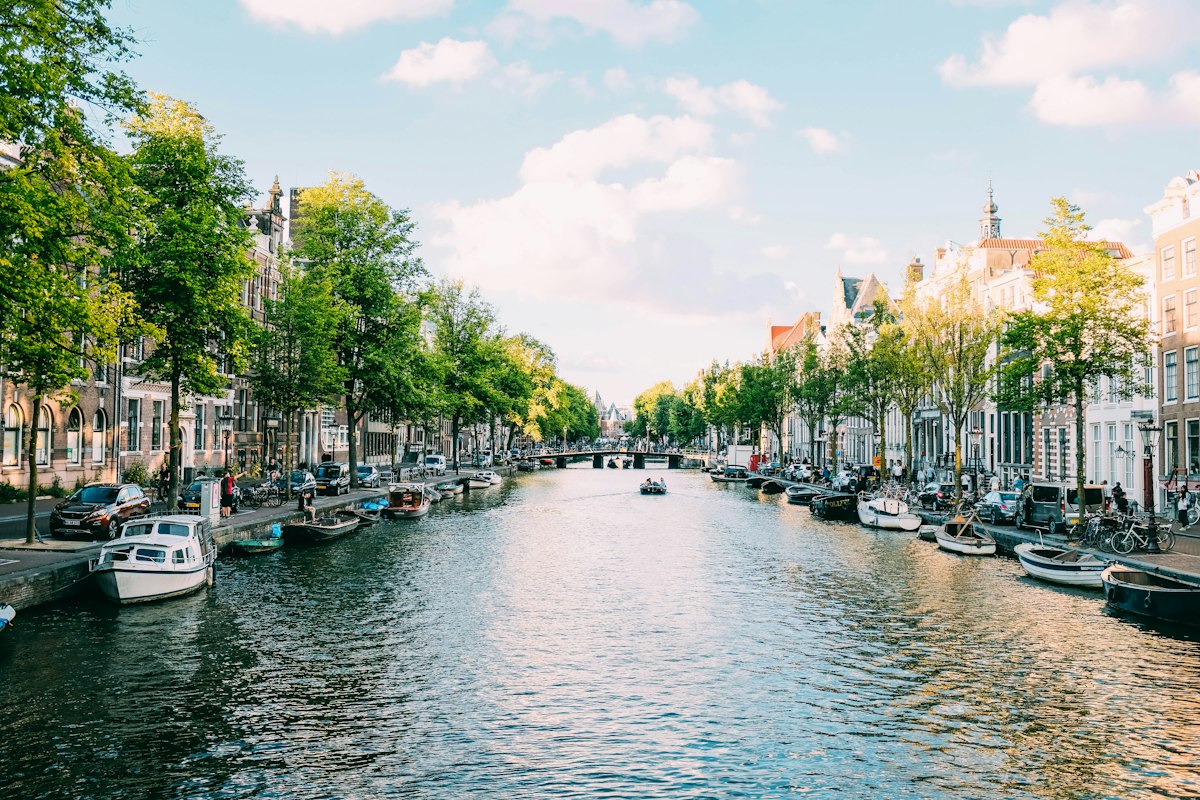
I cycled through De Pijp on Sunday. I do this most weeks — it’s on the route from Noord to Oost and back via the IJ ferry, the loop I do when I need to clear my head before the week starts again. My parents are still there, same flat on Van Woustraat they’ve had for twenty-two years. I stop in for coffee, stay longer than I plan, leave feeling something I can’t quite name.
Three buildings on the route had new scaffolding up since last week. All three were social housing blocks. I’ve stopped being surprised by this and I’m not sure when that happened.
De Pijp gets written about constantly. It has for years. The Albert Cuyp market (albertcuyp-markt.amsterdam — Albert Cuypstraat, Amsterdam), the terraces, the density, the mix. Food writers come here, travel magazines come here, Instagram accounts come here. The neighbourhood has been the subject of more pieces about Amsterdam’s character than almost anywhere else in the city.
What those pieces tend not to mention is what’s scaffolded. What they tend not to track is who is still there and who has moved to Almere. My parents know a family on their floor who’ve lived there since the eighties — they’re still there, but their rent has more than doubled since the block was renovated. They’re there because the contracts that protected them held. Not everyone else’s did.
The Albert Cuyp is still good. I want to say that clearly because I’m not interested in the version of this where everything is ruined and nothing is worth visiting. The market is genuinely one of the better things in Amsterdam — long, chaotic, cheap in parts, with stalls that have been in the same family for decades alongside newcomers who sell things the neighbourhood wants now. On a Saturday morning it still feels like the city I grew up understanding.
But the buildings behind it are scaffolded. And when the scaffolding comes down, the flats inside are usually not rented to the same people who left. This is not unique to De Pijp. It is happening in the same way in Oost, in Noord, in parts of West that I cycled through three years ago and barely recognise now.
I don’t think the city is ruined. I think it is changing in ways that are mostly invisible unless you’ve been looking at the same streets for thirty years, or unless you stop cycling past the scaffolding and start counting it. My parents’ street has had four of those buildings in the last five years. Three of them are now let at market rates. The fourth has a waiting list.
I’ll be back next Sunday. Same route, same coffee, same count. This is what living somewhere looks like when you pay attention.