Laakhaven Is Not What You Think It Is Yet. That Is the Point.
Last week our collective welcomed a new member. Agata, a textile artist from Rotterdam, took one of the studios in our building on a six-month trial. She came to see the space, walked the area for an hour, came back and said: this looks like Rotterdam did ten years ago.
She meant it as a compliment. She was right.
What Laakhaven is
Laakhaven is the former inner harbour of Den Haag, converted over the past two decades from industrial wasteland into something that does not yet have a fixed identity — which is exactly what makes it interesting. The neighbourhood sits between the city centre and Hollands Spoor station, close enough to both to be convenient, far enough from both to have been left alone long enough for something real to develop.
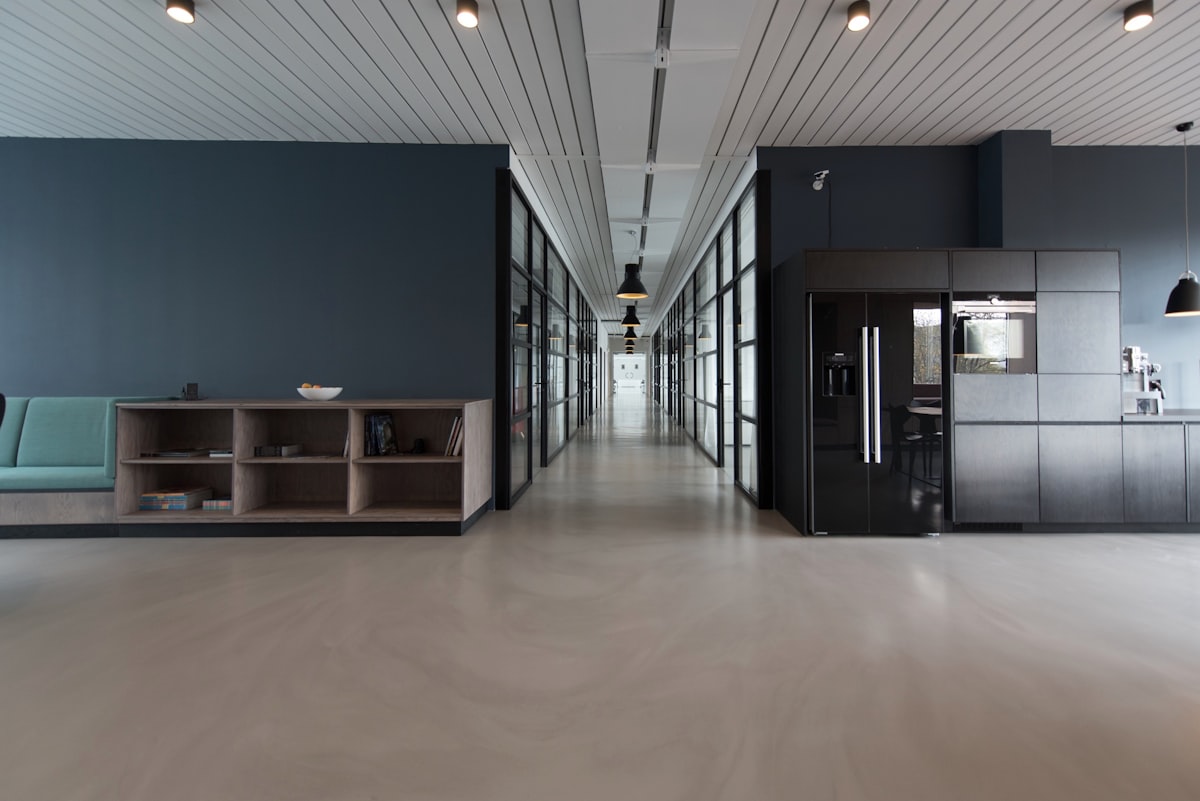
The anchor of the creative scene here is Maakhaven — a studio complex in a former Bataafse Petroleum Maatschappij building, now housing over 45 studios and workshops for designers, artists, architects, and craftspeople. It has been here since 2001. The building is large, slightly battered, full of light and the smell of wood and paint and occasionally coffee that someone brewed two hours ago and left on a hotplate.
I have my studio here. I have had it for three years. I cycle to client meetings and back, notice what is changing on the streets, and deliver my work from a building that started as an oil company and became a place where people make things. This seems like the right kind of transformation.
What the area actually looks like
Walking from Hollands Spoor station toward the harbour, you pass: social housing blocks that have been here for fifty years and are showing it, a Surinamese bakery that opens very early and is always busy, a garage that has been a garage for as long as anyone can remember, and then, along the waterfront, the old industrial buildings that have been converted — some well, some not.
The water itself is still there. The Laakhaven is an actual harbour — not large, not scenic in the way that postcards require, but real water with real light on it in the mornings. In summer, people sit along the edge. In winter, almost nobody does, and the area has the particular quality of a place that has not yet decided what it is going to be.
Around Maakhaven, the creative cluster has expanded. Binckhorst, adjacent, is further along in its transformation — the city has invested there more deliberately, and the results look more like a plan and less like something that happened. Laakhaven still feels like the latter. I prefer it.
Who is here
In the Maakhaven building alone: graphic designers, painters, sculptors, an architect who also makes furniture, a sound artist, a ceramicist, two studios that do commercial photography, and now Agata with her textiles. The collective meeting last week had fifteen people in a room that smells like turpentine and has mismatched chairs. We discussed the June exhibition, a new shared equipment fund, and whether to accept the offer from a coworking company that wants to take two studios on the ground floor.
We voted no on the coworking offer. Unanimously.
This is the thing about Laakhaven that does not translate into a neighbourhood guide: the culture of a place is made by the decisions the people in it make repeatedly, without anyone writing them down. The decision to stay independent, to not take the easier money, to keep the studios for people who actually make things — these decisions happen in rooms like ours and they determine what a place becomes.
Before and after, or: what I notice on my cycle
Three years ago: the Surinamese bakery, the garage, the industrial buildings, and almost nothing else between Hollands Spoor and the waterfront that you would stop for.
Now: a coffee place that appeared last year in what used to be a car parts warehouse. A restaurant client of mine opening in May in a space that was a print shop until six months ago. Two more studios in the building next to ours that were empty when I arrived, now occupied by a ceramics studio and a small fashion label. A bar that opened last autumn on the corner that used to have nothing on it at all.
This is what early-stage neighbourhood change looks like before the estate agents write the copy. Individual decisions, most of them made by people who are here because the rent is still manageable and the space is still available. When those two things change — and they will change, because they always do — the character of the place will change with them. For now, it has not changed yet.
How to visit
Train to Hollands Spoor, then walk north toward the water. Give it an afternoon. The Maakhaven building is open for visits during open studio events — worth checking their schedule. The harbour itself is walkable and free and best in morning light.
Go before someone writes a magazine piece about it and the prices follow. Agata was right: it looks like somewhere that is about to become something. Being there before it does is the point.
Marta Kowalski is a graphic designer based in Laakhaven, Den Haag. She writes about the city’s creative scene and changing neighbourhoods for Journallo.