The International City That Locals Actually Live In
When I tell people in London or Lagos that I live in The Hague, the response is always some version of: “Oh, the international court city.” Which is accurate. The International Criminal Court is here, the International Court of Justice, the OPCW, Europol, and over two hundred other international organisations. The city has more international institutions per capita than any other city on earth.
What people don’t picture is what that actually means for the city. It means there’s a substantial international community — tens of thousands of people from Nigeria, the US, the UK, Kenya, Colombia, France, wherever — who are living here, not visiting. They have children in Dutch schools. They have favourite toko shops. They’ve learned to cycle. They’ve been to the Mauritshuis twice and Scheveningen thirty times.
Bezuidenhout and the international belt
The east of the city — Bezuidenhout, Marlot, Oud-Wassenaar — is where most of the international community concentrates. Close to the institutional buildings on the Carnegieplein and the Churchillplein. English is genuinely functional here in a way it isn’t everywhere in the Netherlands. There are schools, expat social networks, coffee mornings, sports clubs that run in English.
The Scheveningseweg, the long boulevard that runs from the centre toward the coast, is where you’ll find the embassies and ambassadorial residences in their large prewar houses. Cycling past them on a Tuesday morning is one of the stranger pleasures of living here — this very functional commuter route lined with buildings that represent every country you can name.
Where the communities mix
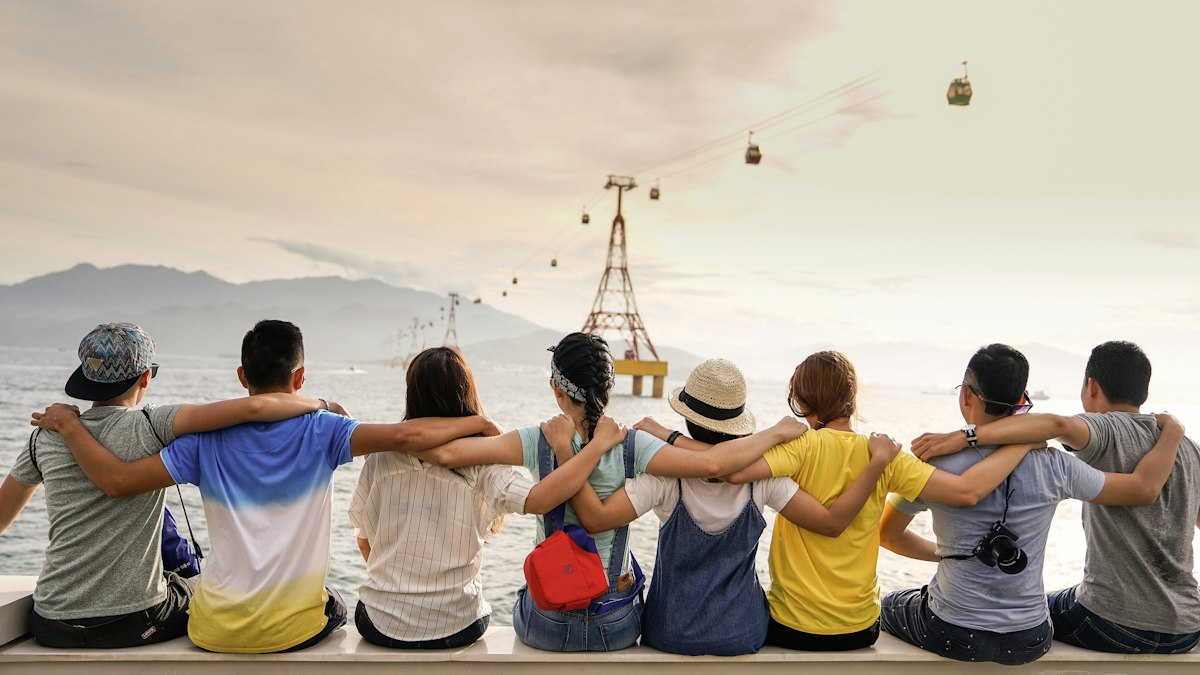
The most interesting thing about Den Haag’s international community is that it doesn’t stay separate. There’s enough of it that it has created its own social infrastructure, but not so much that it has retreated into an expat bubble. You see it at Rewire Festival, where the audience is genuinely mixed — Dutch creatives, UN staff, students, long-term residents from a dozen countries. You see it at the Creative Mornings events at THUAS. You see it at the Markthal in the Grote Marktstraat on Saturday mornings.
The city works partly because the international presence has been here long enough to become normal. This isn’t a temporary posting community — many of the international residents have been here for a decade or more and think of themselves as Hagenaars as much as anything else. That’s an unusual thing for a city of this size to have achieved, and it’s part of what makes Den Haag a more interesting place to live than the international court reputation suggests.