Cycling in Den Haag: What Nobody Tells You Before You Get on a Bike
I came from Warsaw, where cycling is an act of controlled aggression. Den Haag surprised me completely. The infrastructure is real. The culture is real. The unwritten rules are also very real, and nobody will explain them to you until you’ve broken several.
The infrastructure
Den Haag has an extensive network of fietsstroken (cycle lanes, marked on the road) and fietspaden (separate cycle paths, physically separated from traffic). On most main routes you will be on a fietspand. On residential streets you share with cars but cars understand they are the guest.
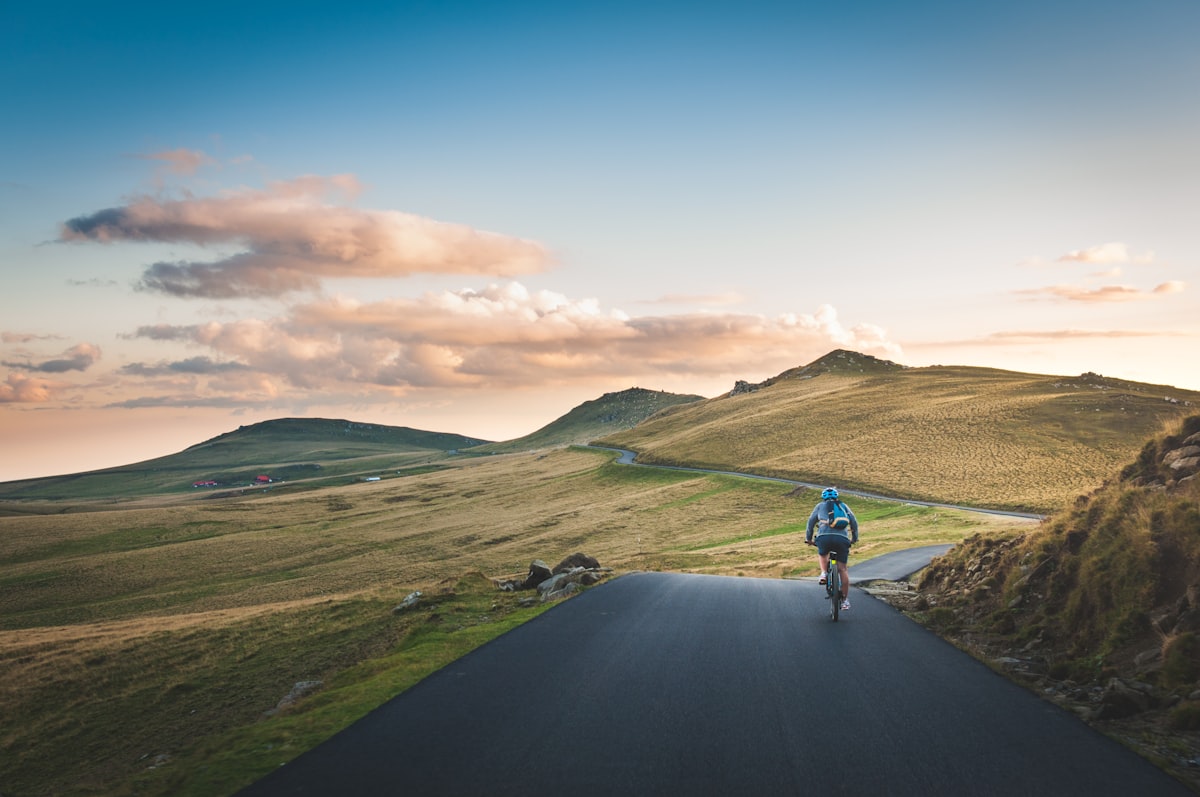
The route from Laakhaven to the centre is 15 minutes along dedicated lanes with no significant interruptions. The route to Scheveningen via the Westduinpark dunes is one of the best urban cycling routes I have ridden in any European city — sand dunes on one side, sea on the other, no cars.
The unwritten rules
Dutch cyclists do not ring their bell as a greeting. They ring it as a warning. If you hear a bell behind you, move. Immediately. Do not look around first.
You are expected to signal turns with your arm. Left arm out for left, right arm out for right. Doing this on a Dutch street feels performative until you realise everyone else does it and expects it.
Cycling two abreast is normal and legal on most paths. Cycling three abreast on a busy path will earn you a look.
At traffic lights, cyclists have their own light. Red means red. Dutch cyclists do generally obey this, unlike in some other cycling cultures.
Bike parking
Lock your bike to a rack, a post, or another bike. Locking only to itself (frame lock without securing to anything fixed) is considered reasonable in residential areas but risky near the centre. A good quality U-lock plus a chain through the wheel is the standard. Bikes get stolen in Den Haag. A second lock is not paranoia.
Renting a bike
Several shops near Den Haag CS rent bikes from around €10–12 per day. For longer stays the OV-fiets scheme (shared bikes at train stations, requires a Dutch bank account and OV-chipkaart) runs about €3.85 for 24 hours. If you are visiting for a week, renting from a shop for the full week is usually around €40–50 and better value than daily rates. Swapfiets is the best option for stays of a month or more.