The Den Haag Nobody Puts on a Postcard
There is a version of Den Haag that exists on postcards, in tourist brochures, in the expat welcome packs that HR departments send out when you’re relocating for an international institution. It involves the Binnenhof, the Mauritshuis, the North Sea. All of it is accurate. None of it is the city I actually live in.
I came here four years ago from London, via Brussels, for work at the ICC. I expected a government city — formal, slightly bloodless, a place you commute through rather than inhabit. That’s not what I found. It took about eighteen months to understand what it actually is.
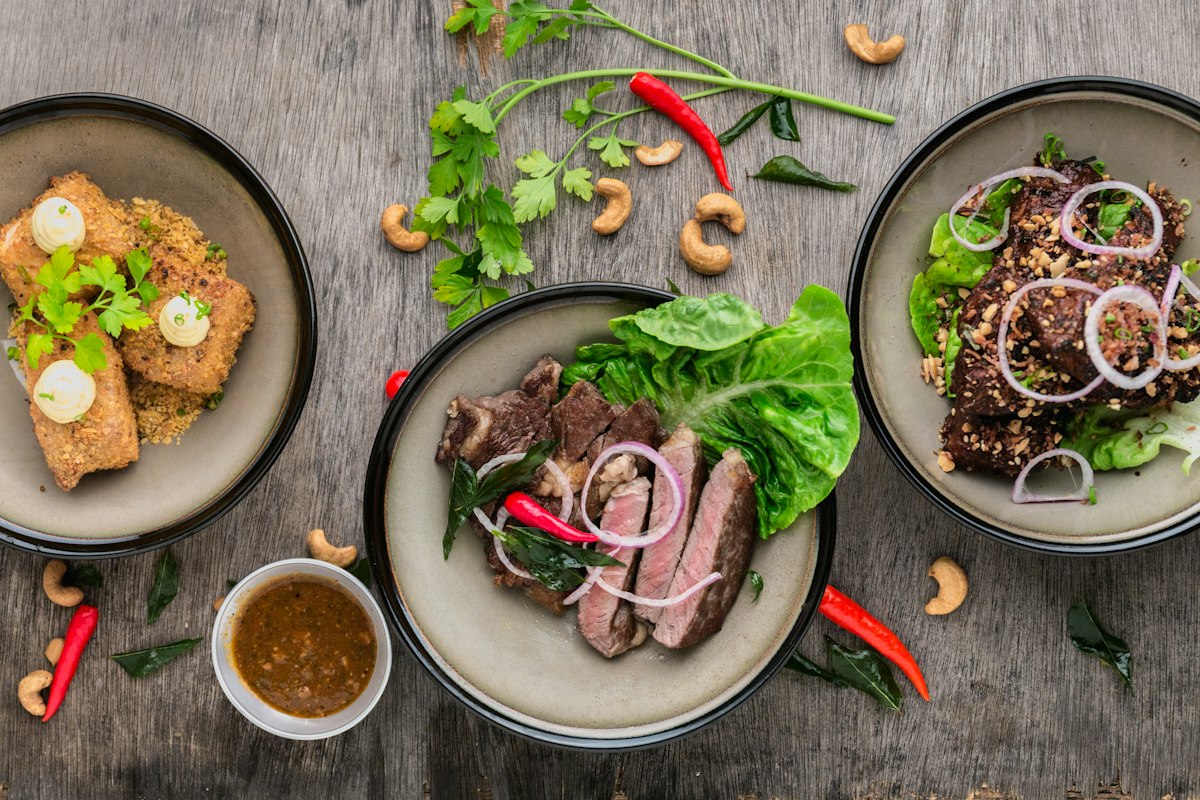
The neighbourhood I live in is Bezuidenhout, which most expats pass through on the way to The Hague Centraal without stopping. It’s quiet in the way that places are quiet when the people who live there are actually using it — not the emptiness of a place that’s been abandoned, but the low hum of a neighbourhood going about its life. The Surinamese takeaway on Hoefkade (Hoefkade, Bezuidenhout) has fed me through more late ICC nights than I can count. The woman at the counter knows my order now. That’s not a postcard moment, but it’s the thing that makes a city feel like home.
Den Haag is where three worlds overlap and mostly ignore each other: the Dutch city that has been here for centuries, the international community that arrived with the institutions, and the migrant communities — Surinamese, Turkish, Moroccan, Indonesian — that built the Schilderswijk and the Transvaal and the parts of the city that most expats never visit. I live at the edge of all three. The ICC is one world. The jazz night at Paard van Troje (paard.nl — Prinsegracht 12) is another. The Sunday cycle through Haagse Bos to Scheveningen is a third.
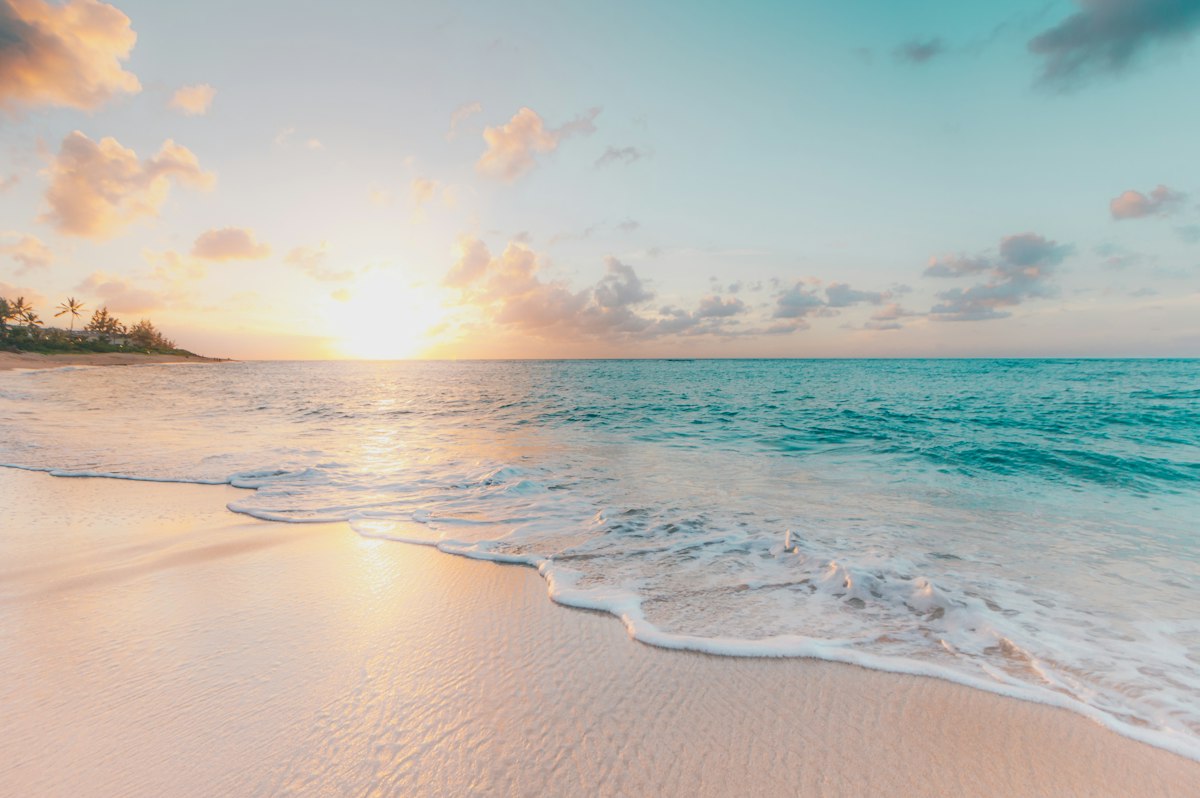
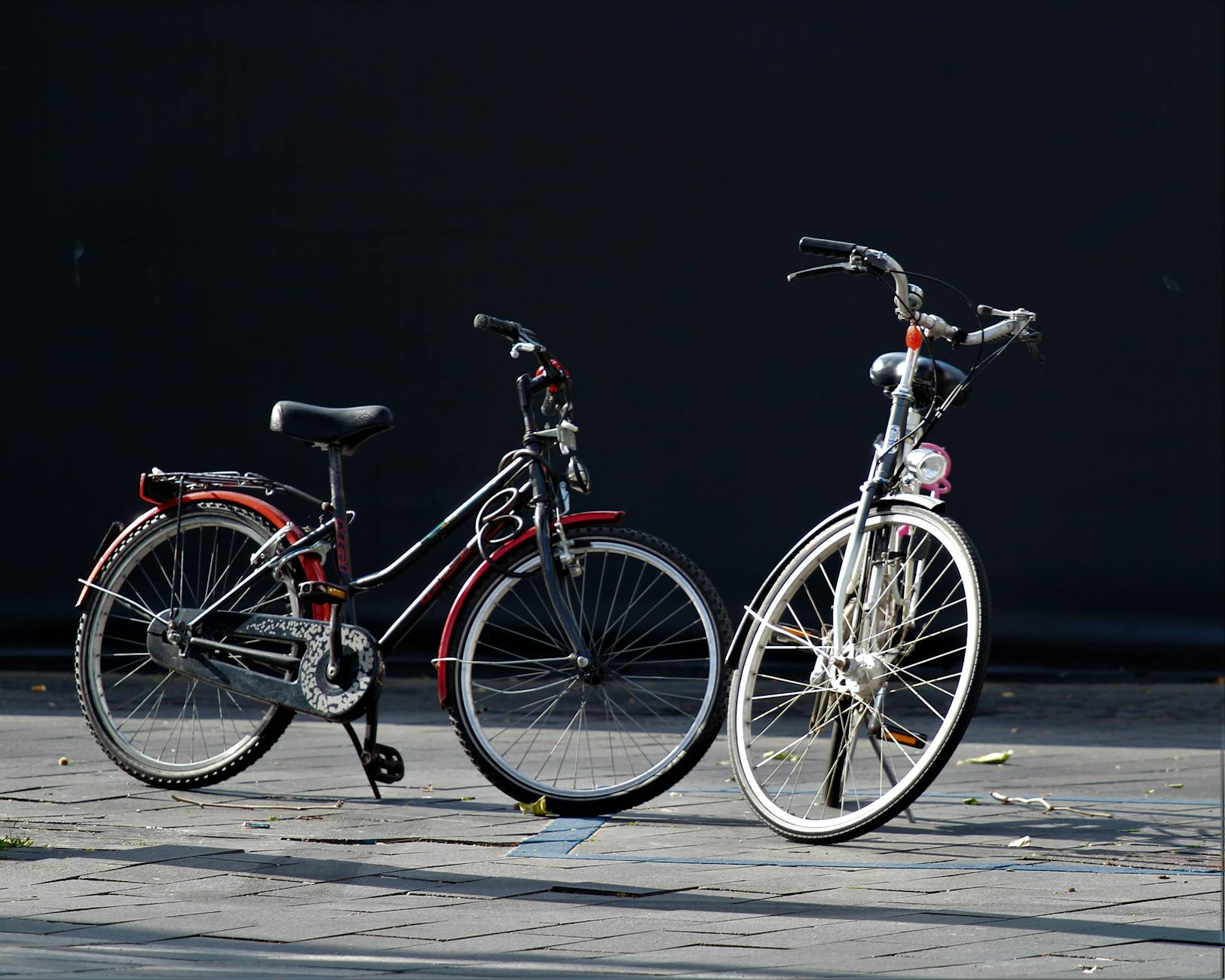
The Haagse Bos (Haagse Bos, Den Haag) is the thing I would tell anyone to do first, and it’s the thing I never see mentioned in the expat welcome packs. A proper forest, inside the city, free, twenty minutes from the centre on a bicycle. Sunday morning through the Bos and out to Scheveningen boulevard is the closest I’ve come to the kind of urban space that Lagos has by the lagoon — somewhere to breathe that doesn’t feel curated.
I’ve spoken to colleagues at the court — people from forty countries who have been here between one and fifteen years — and the ones who stayed the longest all say the same thing: the city took time. The Netherlands is not a country that makes itself immediately legible to outsiders. Den Haag specifically has a formality that can read as coldness. But the people who stayed found something underneath it that kept them. I’m still finding out what that is, which is probably why I’m still here.
The postcard version of the city is fine. The Mauritshuis (mauritshuis.nl — Plein 29, Den Haag) is genuinely one of the best small museums in Europe and I mean that without irony. But the city I actually live in is the one you can’t put on a postcard — the late office nights and the Hoefkade takeaway and the Sunday morning Bos, the jazz and the bureaucracy and the slow work of belonging somewhere that didn’t design itself for you to arrive.