Making Ramen in Amsterdam Because the Alternative Is Settling
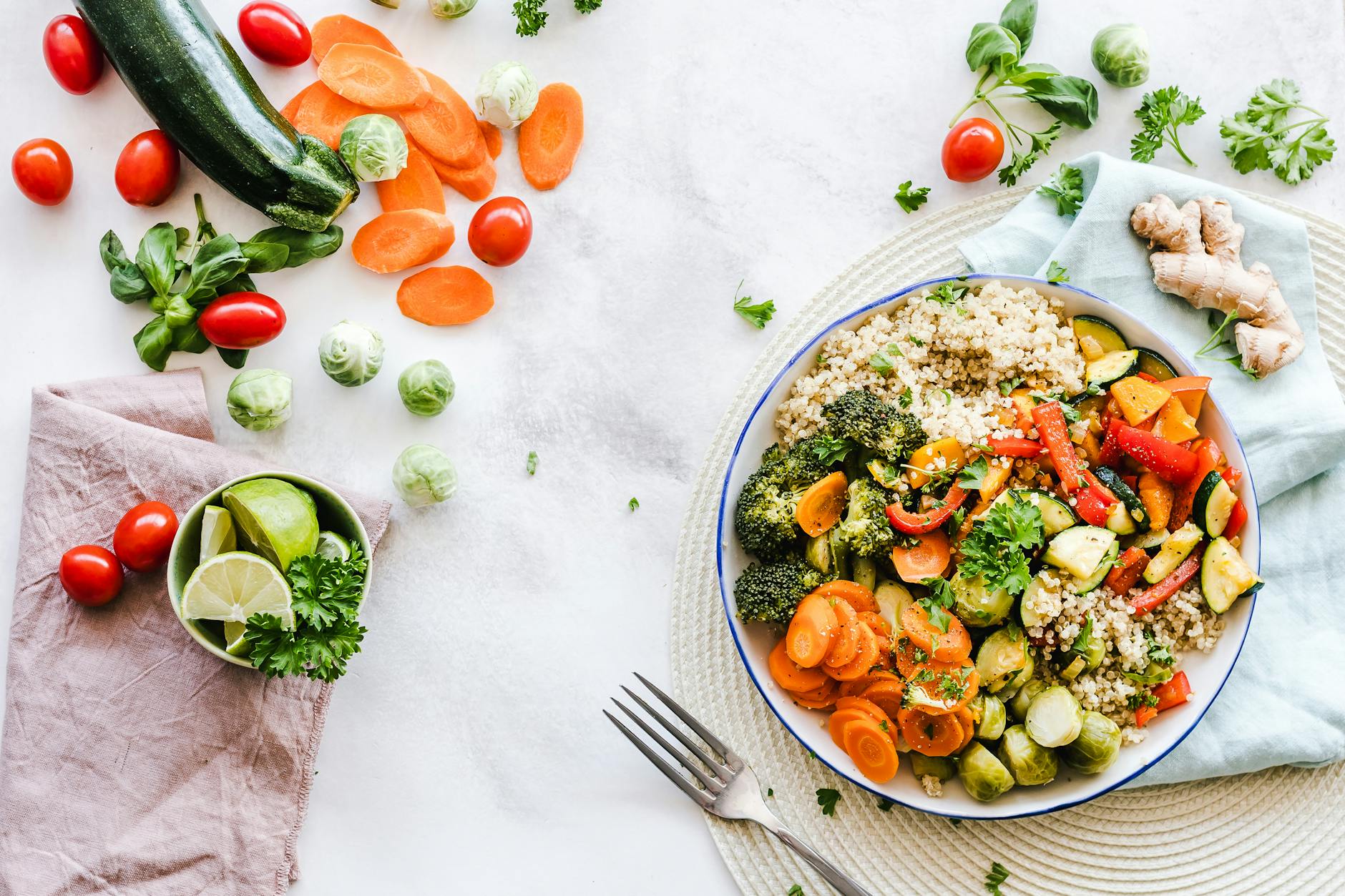
It took four hours. That includes the broth, which I started at eleven in the morning, and the tare, and the soft-boiled eggs, which I finally got right on the third attempt. By the time I sat down with a bowl at three in the afternoon, I had used almost every pot I own and the kitchen smelled like something between a Japanese grandmother’s house and a very ambitious mistake.
It was worth it. This is not a statement I would make about most things that take four hours on a Saturday.
Amsterdam does not have a Japanese food scene. I want to be precise about this because ‘Amsterdam has no Japanese food’ is not quite true — there are places. But if you grew up in Tokyo, where the ramen shop two streets from your parents’ apartment has been run by the same family for forty years and gets the broth right every single time, the gap between what exists here and what you know is possible is wide enough to be genuinely uncomfortable.
I’ve tried the options. There are a few Japanese-owned restaurants in the city — Tomaz (tomaz.nl — Utrechtsestraat 33) does respectable things with Japanese flavours in a European format, and I appreciate it for what it is. But ramen that makes you feel like you’re somewhere that actually cares about ramen as a form — that’s not what Amsterdam has.
So I make it myself. The ingredients are the problem you solve first. The Japanese grocery Yamazato Supermarkt (Albert Cuypstraat 154) is where I go for the dried shiitake, the mirin, the kombu, the good soy. It’s small and almost always busy and the stock varies but it has what you actually need. Toko Dun Yong on Zeedijk (Zeedijk 83) is larger and more reliably stocked, a longer cycle but worth it when I’m doing a serious shop.
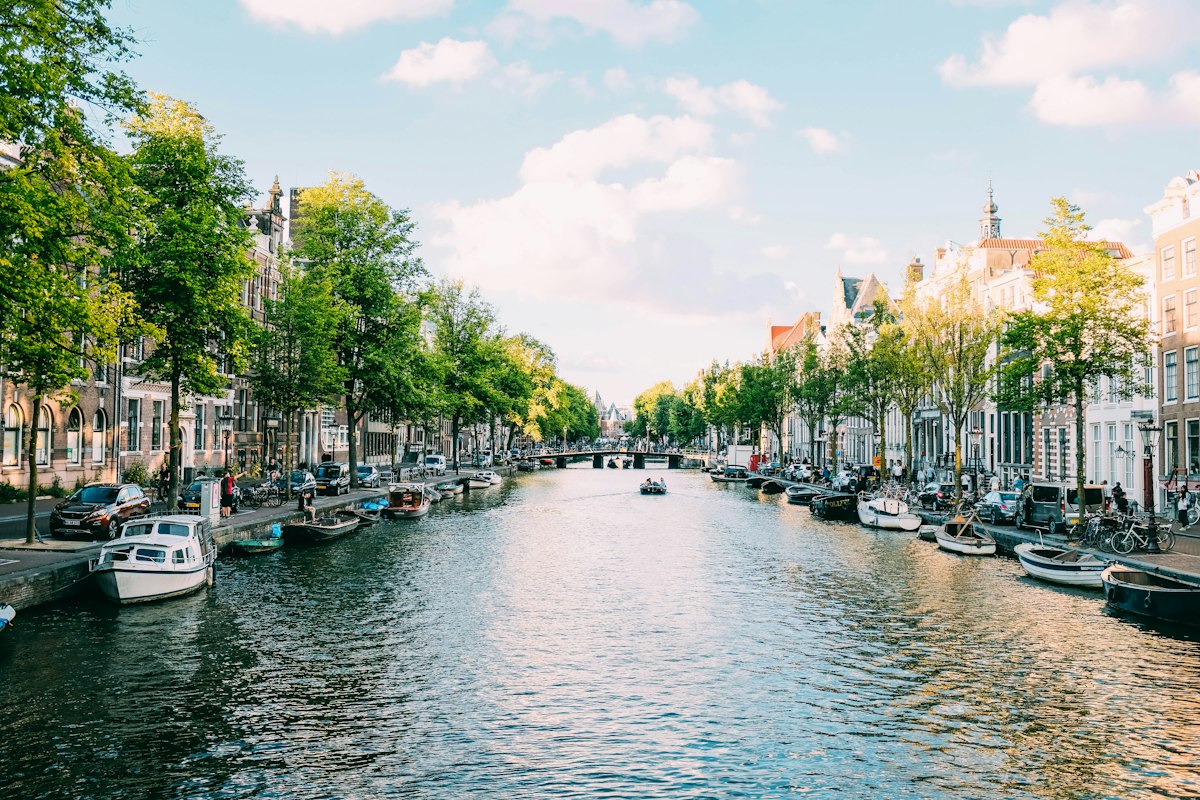
The broth I made was a tonkotsu-shoyu hybrid, which is not traditional but is what I wanted. Pork bones from the market, two types of soy, mirin, sake, charred spring onion and ginger. Four hours. The apartment filled up with steam by the second hour and I opened a window and stood there for a while watching the Jordaan from above, which is not a terrible way to spend a Saturday.
In Tokyo I would have left the house, walked two minutes, paid ¥1,200 for a bowl that was better than what I made. I know that. But there is something specific about cooking a dish because the city you’re in can’t give it to you — something that makes you learn the thing properly rather than consuming a version of it. I know more about ramen now than I would if I’d stayed in Japan. That’s a strange outcome of moving to the Netherlands, but here it is.
I sent a photo of the finished bowl to my mother. She said it looked good, which from her is significant. Then she asked when I’m coming home. I said I don’t know. I turned back to my bowl and ate it before it got cold.