What It Took to Actually Feel at Home in Berlin
I have been in Berlin for five years and I would not say I feel entirely at home. But I feel more at home here than I did in Dublin, which might be the most Berlin thing I’ve ever said about myself.
The international layer
Berlin has one of the largest expat communities in Europe. The city has attracted waves of people from all over the world — artists and musicians in the 1990s and 2000s, tech workers in the 2010s, more recently people working in policy, NGOs, and the European institutions. The result is that English is genuinely functional as a working language in large parts of the city, which is both useful and, if you want to learn German, a significant obstacle.
The Irish community in Berlin is small but established. There are three or four Irish pubs — I go to none of them. The Irish people I know here are mostly journalists, musicians, and people who came for a season and stayed because the rent was cheaper than Dublin and the city was more interesting.
The German layer
Integrating into German social life in Berlin is harder than the city’s international reputation suggests. Berliners are not unfriendly but they are reserved in the way that northern Germans tend to be. The social circles here are tight and slow to open. I made German friends through work, through a football team I joined in my second year, and through an unfortunate early experience with a German bureaucratic process that required help from a German neighbour. That last one is the most reliable social bonding mechanism I’ve found in this city.
Where integration actually happens
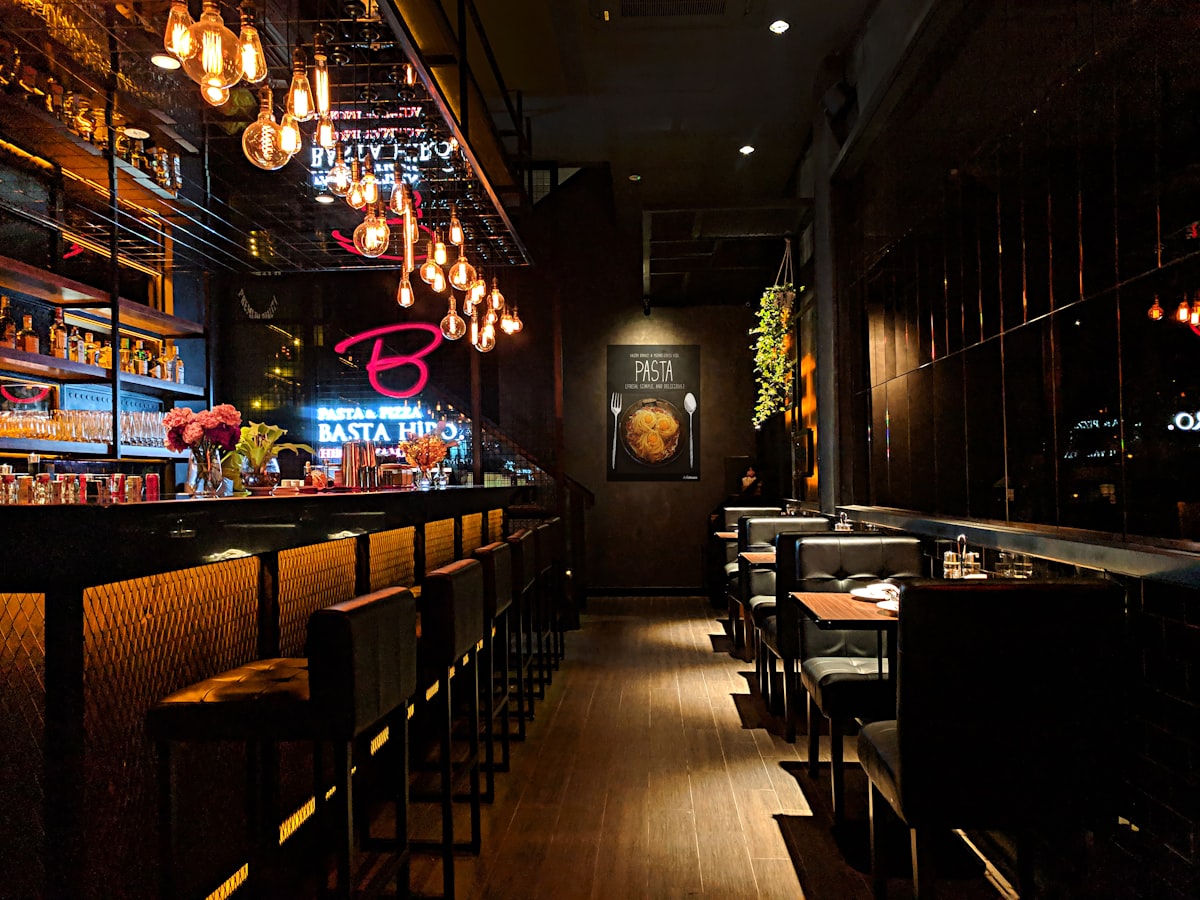
Sport, hobby groups, and volunteer organisations work. The Volkshochschulen — the adult education centres in every district — offer cheap courses in everything and are full of people trying to learn things, which creates a specific kind of social atmosphere. The community gardens in various neighbourhoods. The allotment culture (Kleingarten) is very German and extremely welcoming if you approach it correctly. And the Kneipe, eventually, if you go to the same one often enough.