
What I Wish I’d Known Before Moving to Den Haag
I arrived in Den Haag knowing almost nothing about how the Netherlands actually functions as a bureaucratic system. My employer had arranged my housing and registered me with the gemeente, which meant I skipped the first and worst phase that most people go through. Even so, I made expensive mistakes. Here is what I would tell myself.
The registration system: do this first, in this order
When you arrive, you need a BSN (Burgerservicenummer) — a citizen service number that functions as your tax and identity number. Without it you cannot open a bank account, sign a rental contract, or access most services. To get your BSN you need to register at the gemeente (city hall). To register at the gemeente you need a registered address. To get a registered address you usually need a rental contract. The circularity is genuinely maddening.
In practice: if your employer is arranging housing, they can often arrange the gemeente registration too. If you are arriving independently, find a room in a house where the landlord or housemates are willing to register you — this is not guaranteed and you should ask explicitly before signing anything.
After BSN comes DigiD — your digital identity for all Dutch government services. Apply for it immediately after getting your BSN. It takes 5–7 days to arrive by post. Without it you cannot use the online tax portal, health insurance portal, or most municipal services. Order it the same week you register.
Housing: the market is brutal, but Den Haag is better than Amsterdam
In Amsterdam the housing market is catastrophic. In Den Haag it is merely very difficult. Rents have risen significantly in the last five years but the supply is better and the competition, while fierce, is not the 40-applicants-per-room situation common in Amsterdam.
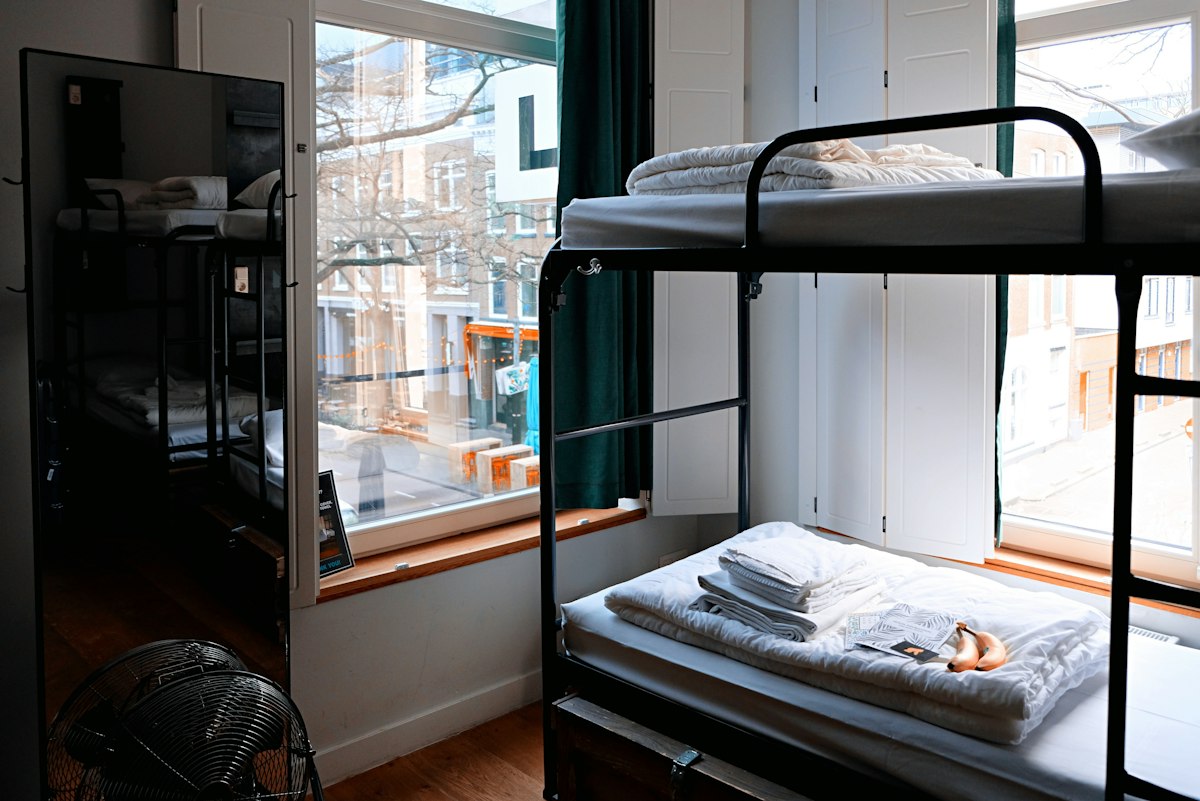
For furnished short-term accommodation while you look: serviced apartments exist and are expensive but worth considering for the first month rather than making a bad long-term decision under pressure. Expat Facebook groups often have listings for furnished rooms aimed at international arrivals. Kamernet is the main Dutch room-rental platform worth checking daily.
Dutch directness
People warned me about this. It was still a surprise. Dutch directness is not rudeness — it is the absence of the padding that other cultures wrap around negative feedback or disagreement. Your Dutch colleague who says “I think this approach is wrong” in a meeting is not being aggressive. They are being precise. It takes about six months to stop interpreting it as hostility and start appreciating it as efficient.
The flip side: once you have made a real connection with Dutch people, the relationship is very solid. Dutch friendships are harder to start and harder to break than in cultures where initial warmth is higher.
The language question
You do not need Dutch to live comfortably in Den Haag, especially in the international community around the institutions. Most Dutch people speak excellent English and will switch to it the moment they detect an accent. This is helpful and also, if you want to integrate, a trap. I recommend making a genuine effort with Dutch even if every conversation immediately switches to English. The effort is noticed and appreciated even when the result is not fluent.
Resources worth knowing
The Expat Centre Den Haag handles bureaucratic questions for internationals — useful for BSN registration, permit queries, and first-arrival admin. Beyond that: the international sports clubs (rugby, cricket, American football) are genuinely welcoming and mixed. The international networking events at the World Forum are often better quality than they sound.
The thing I did not expect
How much I would come to appreciate the city’s relationship with its own identity. Den Haag does not try to be Amsterdam. It has no interest in being Amsterdam. It is a city for people who live and work in it, which means it is not optimised for tourism, spectacle, or being impressive to visitors. It is optimised for daily life. Once I understood that, I understood why I stayed.